

Overview
Kathmandu Valley heritage planning needs more than a list of famous places. Travelers should understand route order, temple etiquette, entry tickets, traffic, walking time, photography rules and how to combine sacred sites without feeling rushed. This guide explains how Sambara structures a practical heritage day in Kathmandu, Patan and Bhaktapur.
This Sambara travel update is written for people who are comparing Nepal, Maldives, Sri Lanka and Bhutan with practical booking questions in mind. Instead of repeating headlines only, we explain what the update means for route planning, budget, season, documents, transport and guest experience. The goal is to help travelers move from interest to a realistic itinerary.
Official Update Snapshot
Nepal Tourism Board lists Kathmandu Valley as a major visitor area for heritage, culture, spiritual travel and city experiences. Official travel updates also show why visitors should keep checking current notices around local events, elections, transport rules and trekking provisions.
- Check official tourism, immigration and airline channels before final payment because rules and schedules can change.
- Keep a buffer day when a trip depends on domestic flights, mountain weather, ferry transfers or cross-border connections.
- Ask Sambara to confirm the final inclusions, exclusions, cancellation terms and payment method in writing before booking.
What This Means for Travelers
Kathmandu Valley can be confusing on a first visit because important places sit close together on the map but traffic changes the real travel time. A good route is designed by neighborhood and direction, not only by popularity.
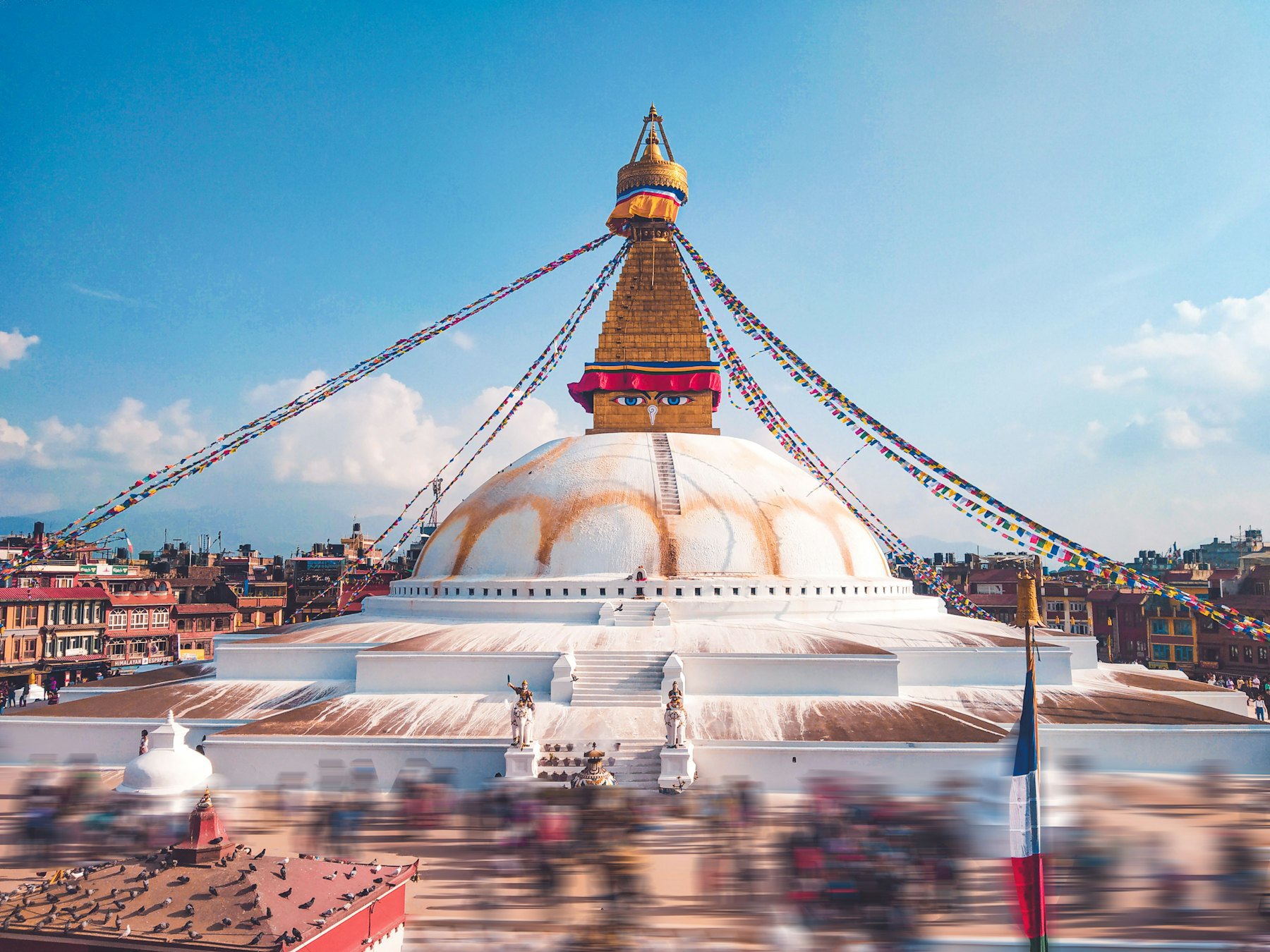
Sacred sites such as Pashupatinath, Boudhanath and Swayambhunath require respectful dress and patient timing. Some areas may restrict photography, shoes, leather items or entry into inner courtyards.
Patan and Bhaktapur reward slower visits. Travelers who like art, craft, old brick lanes, courtyards and museums should not treat these cities as quick photo stops only.
Planning Points Before You Book
- Carry cash in Nepali rupees for site entry tickets, small snacks and local purchases.
- Ask the guide to confirm which sites allow photography and where a separate camera fee may apply.
- Wear shoes that are easy to remove at temple areas and clothes that cover shoulders and knees.
- Start early if the plan includes Kathmandu Durbar Square, Swayambhunath, Pashupatinath and Boudhanath in one day.
- Choose Patan or Bhaktapur as a deeper half-day visit instead of rushing both when time is limited.
Suggested Route Ideas
For a single day, Sambara usually recommends Swayambhunath, Kathmandu Durbar Square, Pashupatinath and Boudhanath. This gives a mix of hilltop views, palace-square heritage, Hindu ritual life and Buddhist stupa atmosphere.
For two days, add Patan Durbar Square, the museum area, craft lanes and Bhaktapur old city. This slower version is stronger for travelers who care about Newar architecture, woodcarving, metalwork and food culture.
Sambara Booking Advice
For production travel planning, Sambara separates inspiration from confirmed booking details. A blog article can explain what is trending, but the final quotation should still list hotel class, transport type, guide language, meal plan, airport pickup, entry tickets, permit support, tax, cancellation rules and emergency contact flow.
Travelers should also understand what is not included. International airfare, personal expenses, travel insurance, visa fees, Sustainable Development Fee where applicable, optional activities, camera fees, room upgrades and early check-in are normally confirmed separately unless a package says otherwise.
A strong travel page should answer the questions a guest normally asks on WhatsApp or email. That includes who the trip is for, how difficult the route feels, what happens if weather changes, when to book, how payment is handled, where the traveler sleeps, what kind of vehicle is used, and how support works after arrival. Sambara content is written around those real questions so the page is useful before the guest contacts the team.
For SEO, Sambara should avoid thin destination summaries that repeat the same phrases. Each article needs destination-specific advice, route context, booking cautions, practical examples and clear next steps. This gives search engines more useful context and gives travelers confidence that Sambara understands the destination beyond a generic package title.
How to Compare Packages
When comparing travel packages, guests should avoid choosing only by the lowest headline price. Two packages with the same destination name can be very different. One may include airport pickup, guide, breakfast, local transfers and support, while another may include only a hotel room or a vehicle. A proper comparison checks the full scope of service.
Hotel class also needs careful reading. A standard hotel, boutique hotel, comfort hotel and luxury resort can all be valid choices, but they should not be mixed without explanation. Room sharing, bed type, breakfast, location, lift access, heating, air conditioning and early check-in can affect comfort more than the star label alone.
Transport details are equally important. Road travel, domestic flights, speedboats, seaplanes and private vehicles each create different timing and budget conditions. Travelers should ask what happens if a flight is delayed, if a road transfer takes longer than expected, or if a transfer arrives after normal hotel check-in time.
Best Fit for Different Travelers
Couples usually prefer smoother pacing, better hotel locations and a few scenic or private moments. Families often need shorter travel days, flexible meal stops, easy pickup points and clear baggage support. Senior travelers may need fewer stairs, more rest breaks, elevators where possible and careful vehicle selection. Friends and group travelers usually care about value, shared rooms, photography stops and nightlife options.
Sambara can adjust each route around these traveler types. That does not always mean adding more places. Often the better choice is to reduce one rushed stop and improve the timing, hotel area or transfer plan. A practical itinerary should feel comfortable on the ground, not just impressive in a list.
Content Freshness Note
Tourism news changes quickly. Flight schedules, entry requirements, local notices, fees, weather conditions and supplier availability should be checked again before final booking. Sambara uses these articles as planning guides and then confirms the operational details during the enquiry and quotation stage.
If a traveler is reading this page months after publication, the broad planning advice may still be helpful, but date-sensitive details should be verified. This is especially important for festival periods, election notices, high-season hotels, resort transfers, domestic flights, visa rules and Bhutan SDF policy.
Useful Tips
- Keep bottled water, sunscreen and a light scarf in the day bag.
- Ask before photographing people, rituals, monks, sadhus or private courtyards.
- Plan lunch near Patan or Boudhanath if the group wants a gentler pace.
- Do not underestimate stairs at Swayambhunath and uneven stone paths in old city areas.
- Use the guide to understand context, not just directions.
Frequently Asked Questions
- Can one day cover all UNESCO heritage sites? No, one day can cover selected highlights, but all major valley sites need more time.
- Are entry fees included? They are included only if the final package says so.
- Is Kathmandu heritage suitable for children? Yes, with a slower pace, snack breaks and fewer long museum stops.
- Can this connect with Nagarkot? Yes, Bhaktapur and Nagarkot combine well as an afternoon and overnight extension.
Final Takeaway
The best itinerary is not always the longest one. It is the one that gives enough time for arrival, recovery, weather, transport and the places that matter most to the traveler. Sambara can turn these updates into a private plan, group departure, hotel package or flight-supported route depending on budget and travel style.
