

Overview
Bhutan remains a distinctive destination for travelers who value culture, mountain landscapes, monasteries, thoughtful pacing and regulated tourism. Sambara is tracking Bhutan because it is a natural future extension for guests who enjoy Nepal but want a quieter Himalayan journey with a different cultural rhythm.
This Sambara travel update is written for people who are comparing Nepal, Maldives, Sri Lanka and Bhutan with practical booking questions in mind. Instead of repeating headlines only, we explain what the update means for route planning, budget, season, documents, transport and guest experience. The goal is to help travelers move from interest to a realistic itinerary.
Official Update Snapshot
Official Bhutan tourism information explains the Sustainable Development Fee model. Current public guidance lists the SDF at USD 100 per person per night for most international visitors, with different terms for Indian visitors and concessions for children. Travelers should always verify the latest fee and visa process before booking.
- Check official tourism, immigration and airline channels before final payment because rules and schedules can change.
- Keep a buffer day when a trip depends on domestic flights, mountain weather, ferry transfers or cross-border connections.
- Ask Sambara to confirm the final inclusions, exclusions, cancellation terms and payment method in writing before booking.
What This Means for Travelers
Bhutan planning is different from standard destination planning because daily cost is shaped not only by hotels and transport, but also by the SDF and official travel process. A cheap-looking package can be misleading if fees, guide, transport and visa support are not clearly separated.
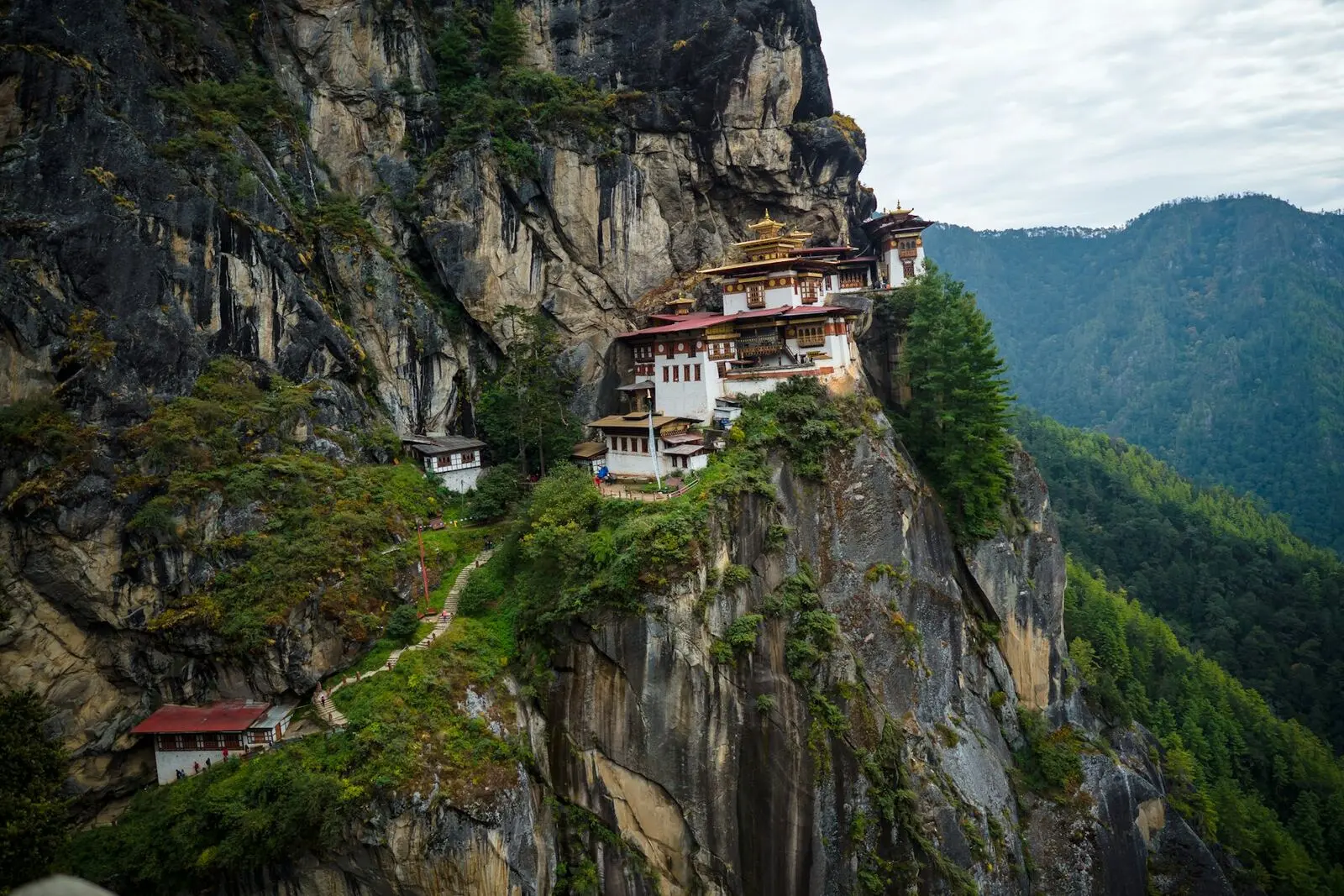
The destination works best for travelers who like depth over speed. Paro, Thimphu, Punakha and Tiger’s Nest are classic highlights, but the value comes from calm pacing, cultural interpretation and time in the landscape.
For Nepal travelers, Bhutan can be a beautiful continuation of Himalayan culture. The two countries are close in theme but different in travel structure, so Sambara will keep Bhutan packages carefully guided rather than loosely bundled.
Planning Points Before You Book
- Confirm SDF, visa fee, guide, vehicle, hotel class, meals and route before comparing package prices.
- Plan enough time for Paro, Thimphu and Punakha instead of rushing only for Tiger’s Nest.
- Check flight availability early because Bhutan air connections can be limited and weather-sensitive.
- Carry layers, modest clothing for monasteries and comfortable walking shoes.
- Use official Bhutan tourism sources for the latest SDF and entry information.
Suggested Route Ideas
A classic first Bhutan route is Paro, Thimphu, Punakha and return to Paro for Tiger’s Nest. This can connect after Kathmandu and Pokhara for travelers who want two Himalayan countries in one journey.
A culture-focused extension should keep at least four to six nights in Bhutan. Shorter trips are possible, but they can feel expensive because fixed travel costs are spread across fewer days.
Sambara Booking Advice
For production travel planning, Sambara separates inspiration from confirmed booking details. A blog article can explain what is trending, but the final quotation should still list hotel class, transport type, guide language, meal plan, airport pickup, entry tickets, permit support, tax, cancellation rules and emergency contact flow.
Travelers should also understand what is not included. International airfare, personal expenses, travel insurance, visa fees, Sustainable Development Fee where applicable, optional activities, camera fees, room upgrades and early check-in are normally confirmed separately unless a package says otherwise.
A strong travel page should answer the questions a guest normally asks on WhatsApp or email. That includes who the trip is for, how difficult the route feels, what happens if weather changes, when to book, how payment is handled, where the traveler sleeps, what kind of vehicle is used, and how support works after arrival. Sambara content is written around those real questions so the page is useful before the guest contacts the team.
For SEO, Sambara should avoid thin destination summaries that repeat the same phrases. Each article needs destination-specific advice, route context, booking cautions, practical examples and clear next steps. This gives search engines more useful context and gives travelers confidence that Sambara understands the destination beyond a generic package title.
How to Compare Packages
When comparing travel packages, guests should avoid choosing only by the lowest headline price. Two packages with the same destination name can be very different. One may include airport pickup, guide, breakfast, local transfers and support, while another may include only a hotel room or a vehicle. A proper comparison checks the full scope of service.
Hotel class also needs careful reading. A standard hotel, boutique hotel, comfort hotel and luxury resort can all be valid choices, but they should not be mixed without explanation. Room sharing, bed type, breakfast, location, lift access, heating, air conditioning and early check-in can affect comfort more than the star label alone.
Transport details are equally important. Road travel, domestic flights, speedboats, seaplanes and private vehicles each create different timing and budget conditions. Travelers should ask what happens if a flight is delayed, if a road transfer takes longer than expected, or if a transfer arrives after normal hotel check-in time.
Best Fit for Different Travelers
Couples usually prefer smoother pacing, better hotel locations and a few scenic or private moments. Families often need shorter travel days, flexible meal stops, easy pickup points and clear baggage support. Senior travelers may need fewer stairs, more rest breaks, elevators where possible and careful vehicle selection. Friends and group travelers usually care about value, shared rooms, photography stops and nightlife options.
Sambara can adjust each route around these traveler types. That does not always mean adding more places. Often the better choice is to reduce one rushed stop and improve the timing, hotel area or transfer plan. A practical itinerary should feel comfortable on the ground, not just impressive in a list.
Content Freshness Note
Tourism news changes quickly. Flight schedules, entry requirements, local notices, fees, weather conditions and supplier availability should be checked again before final booking. Sambara uses these articles as planning guides and then confirms the operational details during the enquiry and quotation stage.
If a traveler is reading this page months after publication, the broad planning advice may still be helpful, but date-sensitive details should be verified. This is especially important for festival periods, election notices, high-season hotels, resort transfers, domestic flights, visa rules and Bhutan SDF policy.
Useful Tips
- Do not compare Bhutan with low-cost backpacking destinations.
- Ask whether hotels are standard, comfort or luxury category.
- Keep a free evening after longer drives.
- Respect monastery rules and guide instructions.
- Treat the Tiger’s Nest hike as a real walk that needs time, water and steady pacing.
Frequently Asked Questions
- Is Bhutan open for international tourism? Yes, but travelers must follow official entry and fee requirements.
- Is the SDF included in packages? It depends on the quotation, so ask clearly.
- Can Bhutan combine with Nepal? Yes, Kathmandu and Bhutan routes can work well together.
- Is Bhutan suitable for families? Yes, when pacing, walking difficulty and hotel comfort are planned carefully.
Final Takeaway
The best itinerary is not always the longest one. It is the one that gives enough time for arrival, recovery, weather, transport and the places that matter most to the traveler. Sambara can turn these updates into a private plan, group departure, hotel package or flight-supported route depending on budget and travel style.
